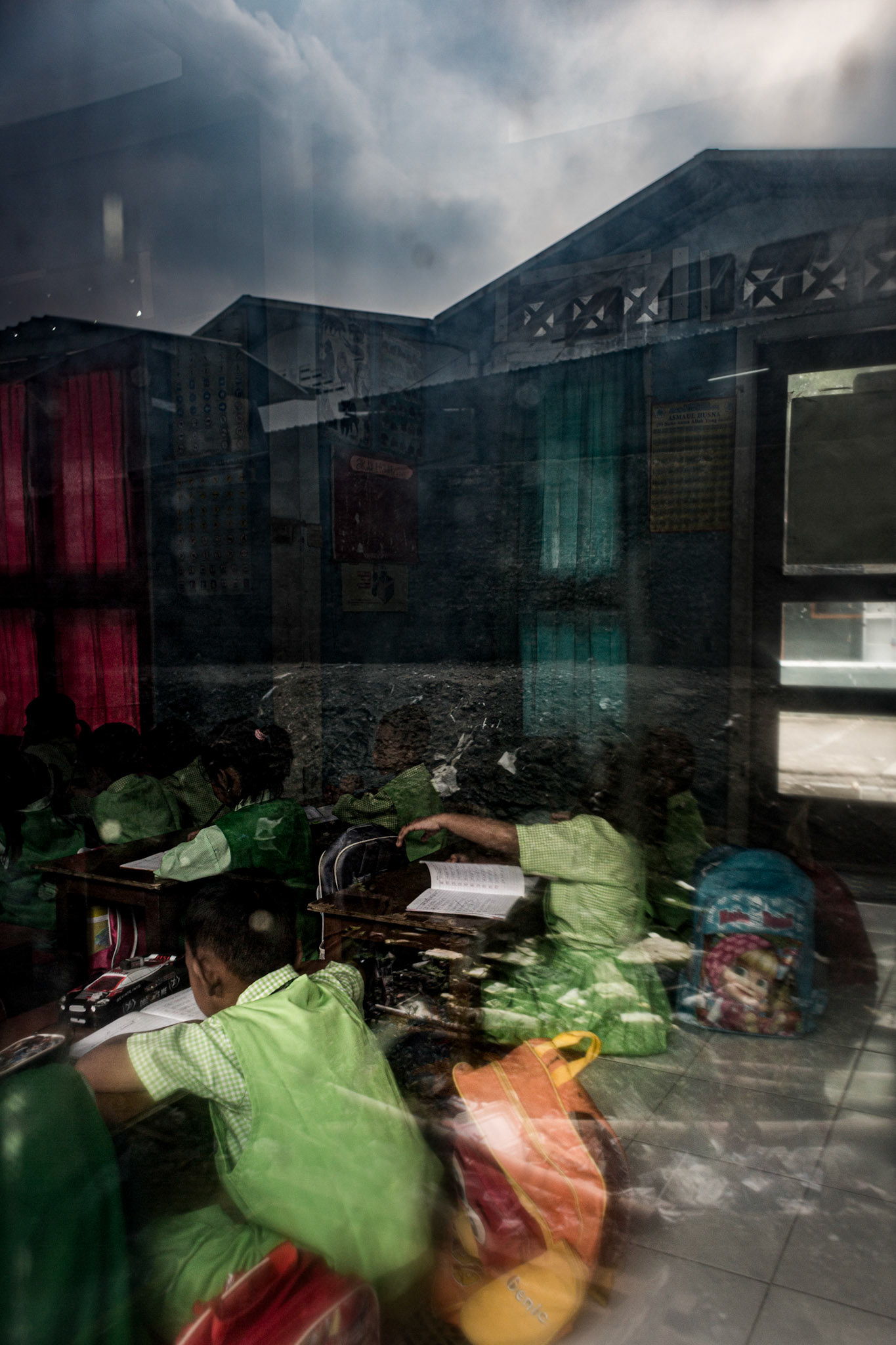
One gray morning, a child seemed to be asleep in fantasy, diving into the depths of the puddle that drowned his ancestral village.
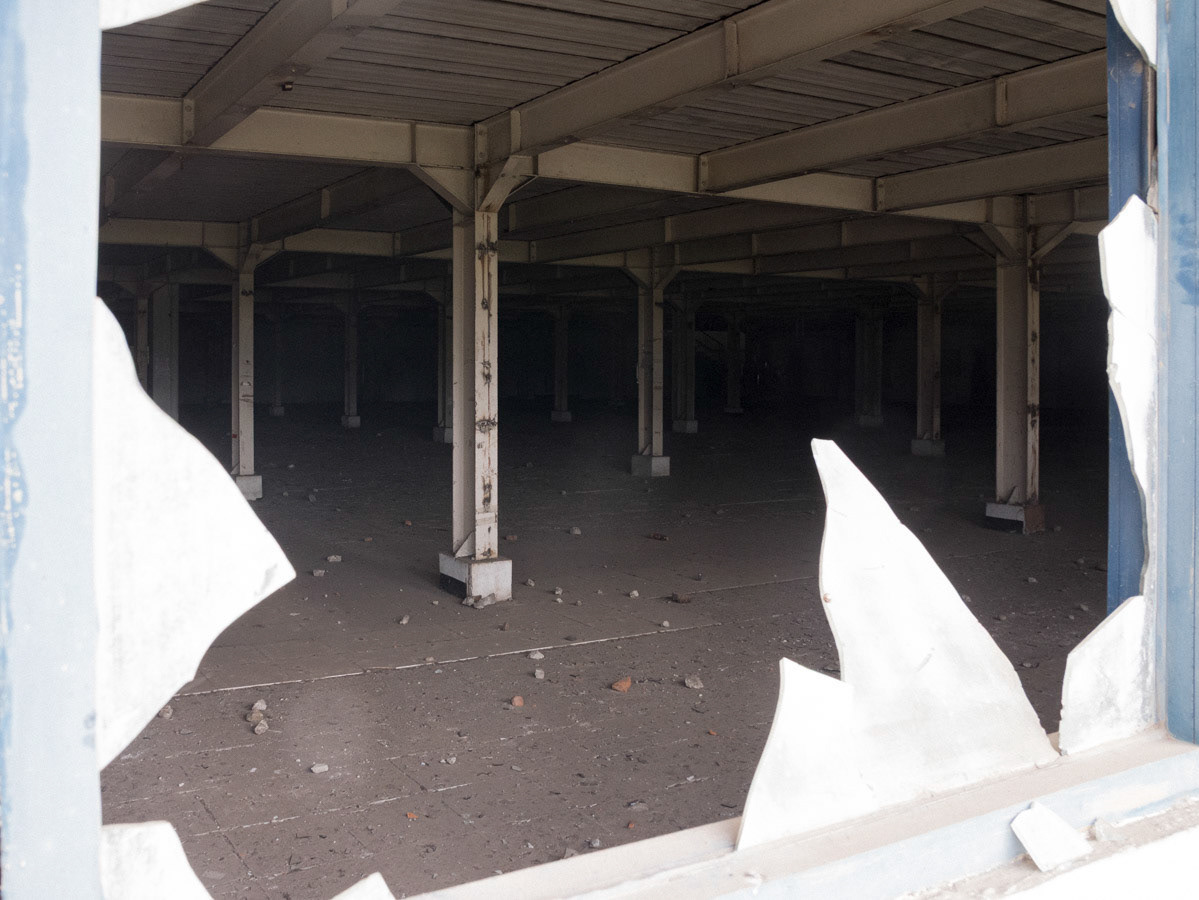
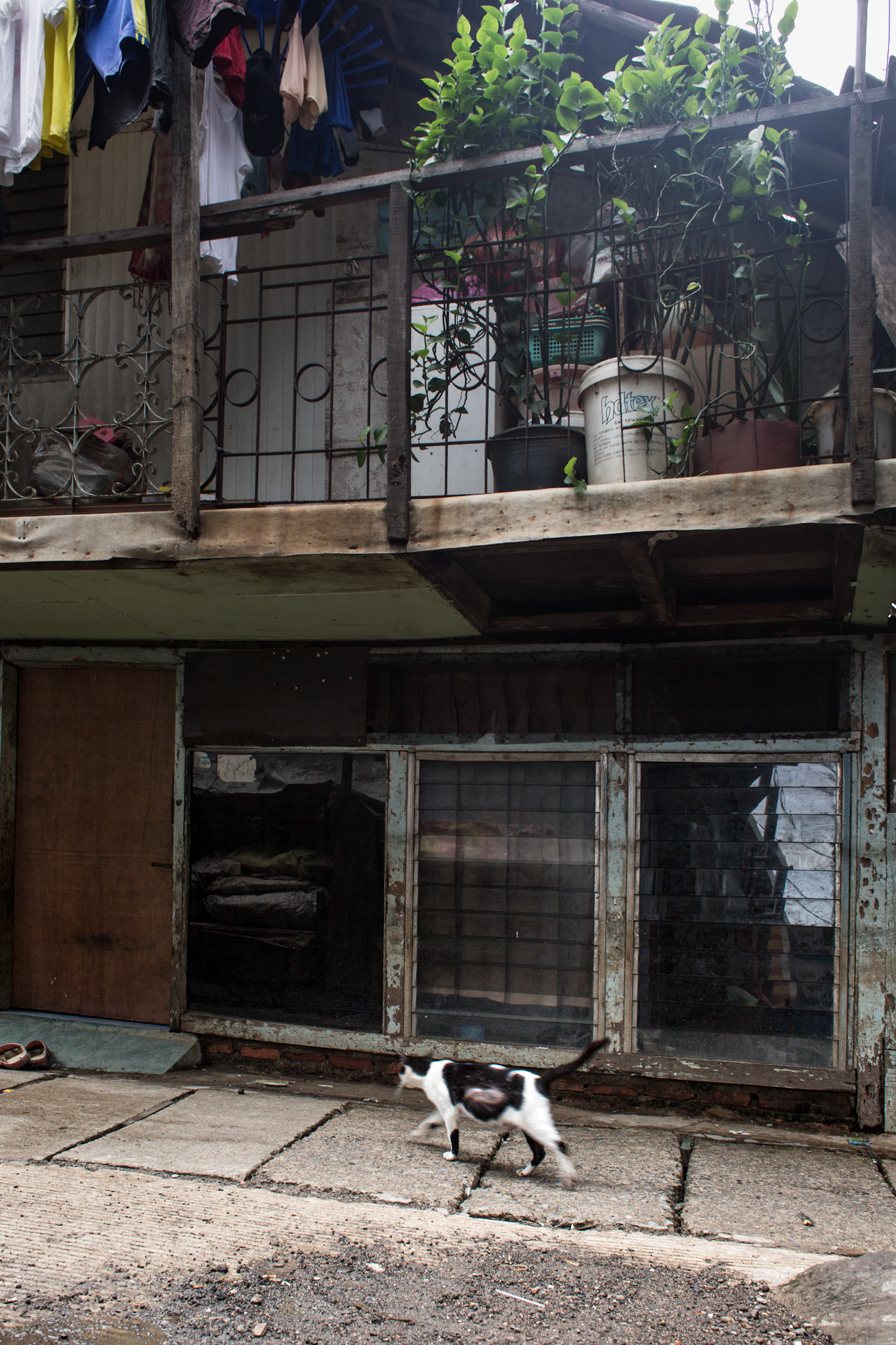
Shadows of warehouses and puddles of rubbish reflected from the windows of the Kapuk Teko Early Childhood Education (PAUD) school. This was a donation from an NGO that cared for the next generation of this village several years ago.
"Come on... Don't daydream!" the teacher's command echoed outside the tiny school, accompanied by the pounding sound of metal and the stench of decay from the backyard.
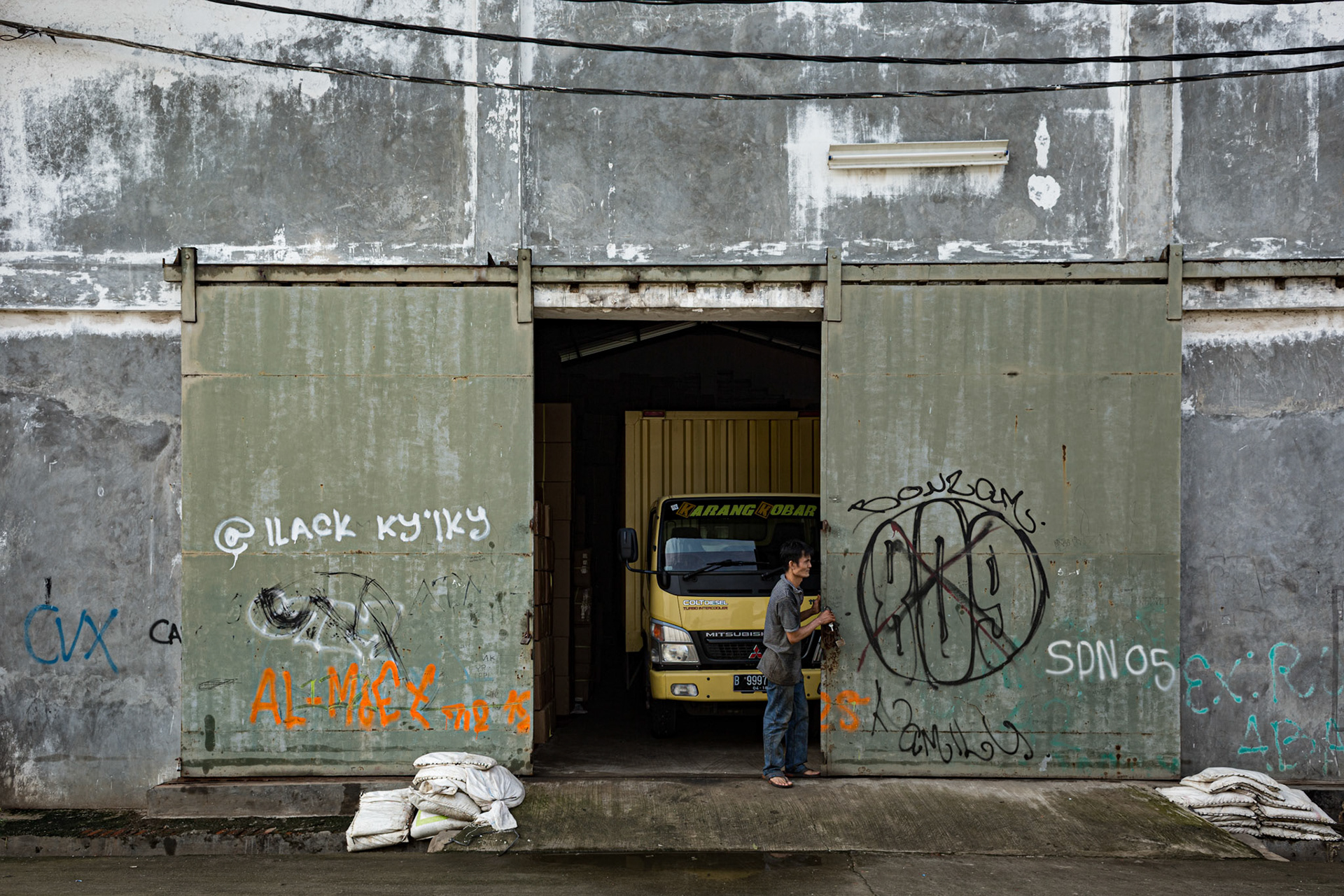
Victims of development, perhaps appropriate to represent the feelings of Kapuk Teko residents in Kapuk sub-district, Cengkareng sub-district, West Jakarta.
Until the end of the 1980s, this 6 hectare village and burial ground was still known as the highest plateau in the Kapuk area.
The cemetery in the front yard of the village in that era became a hangout for local young people. Residents around Kapuk who were often flooded and fled to this village finally settled, selling their land to private companies at low prices.
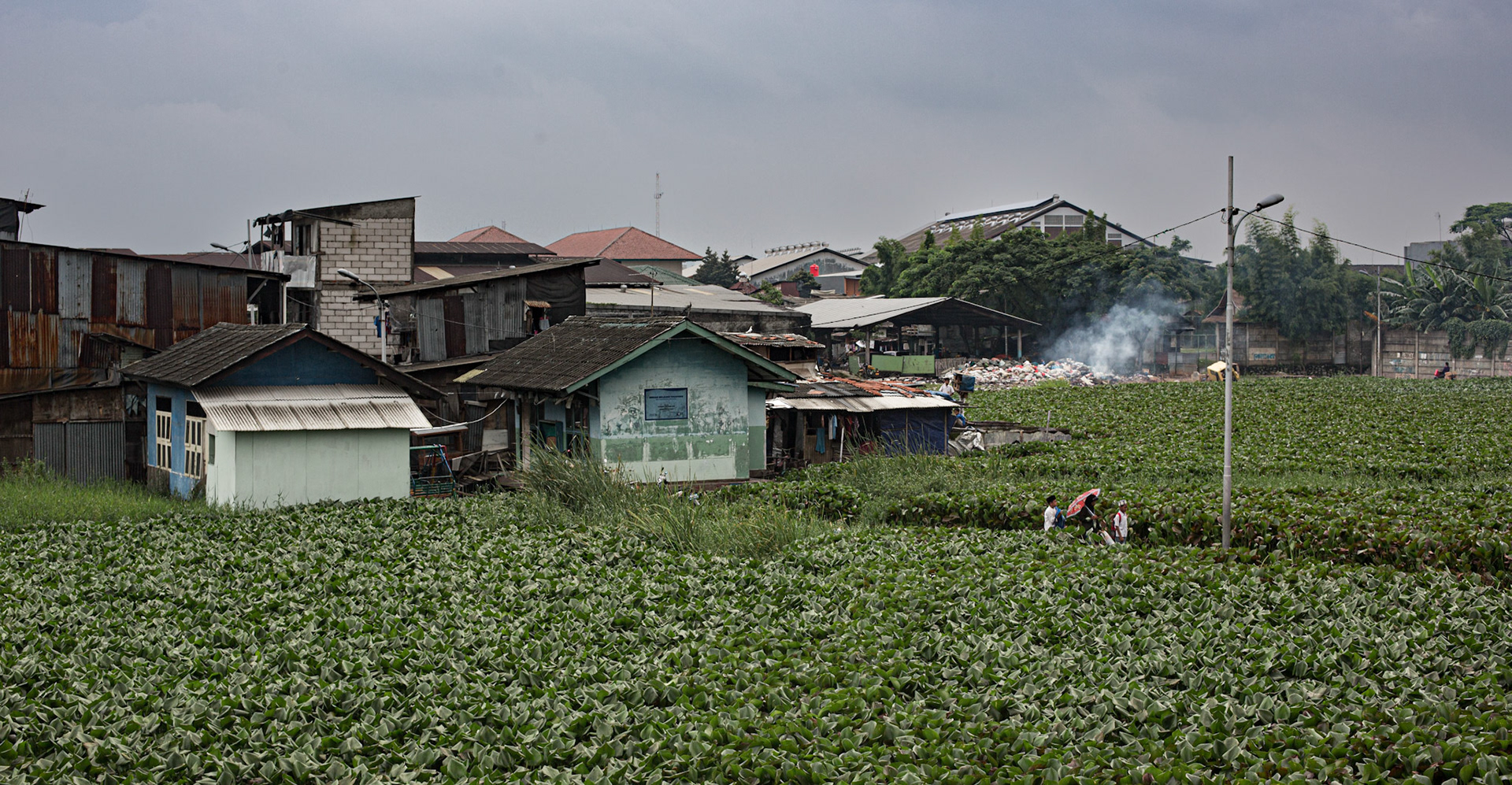
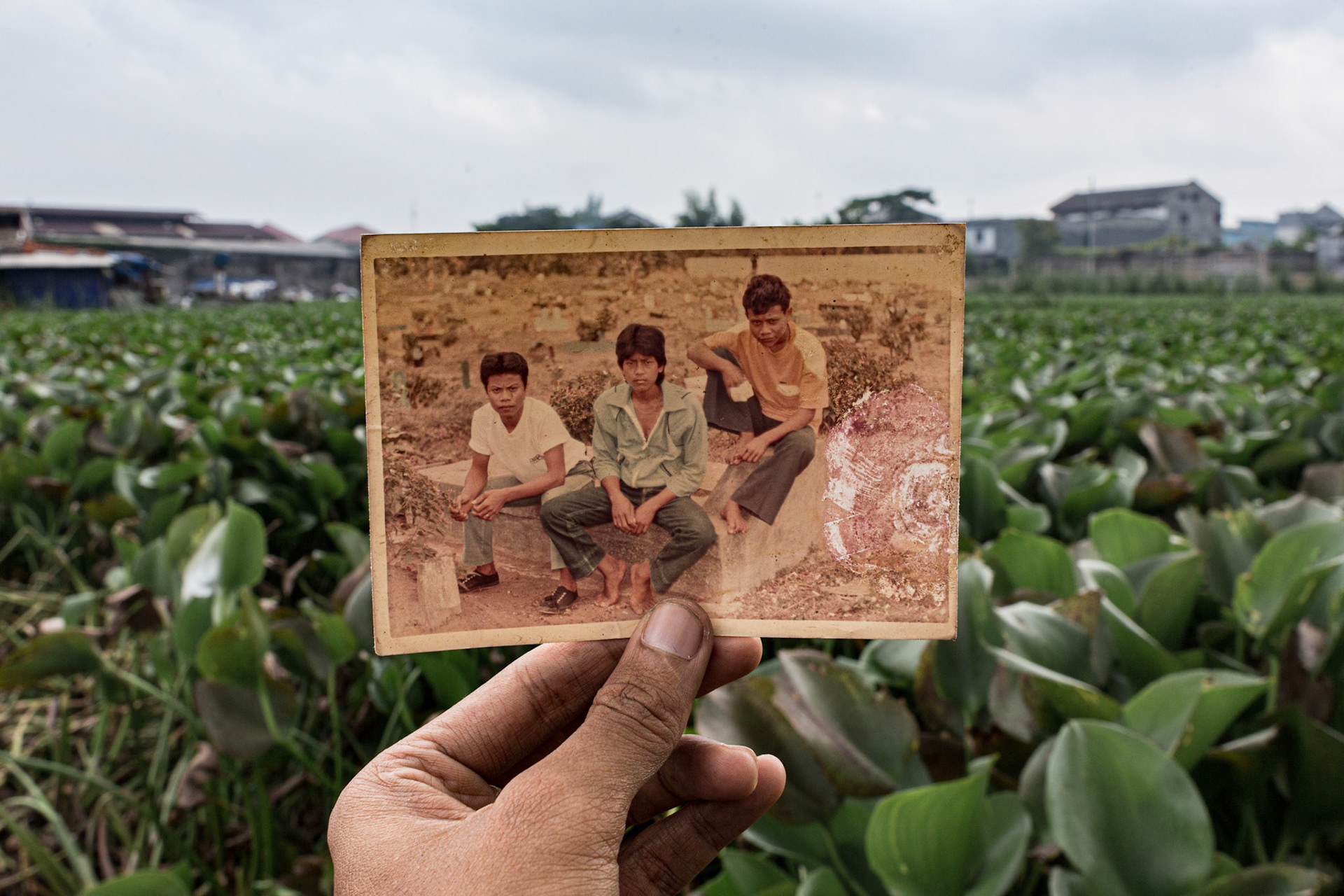
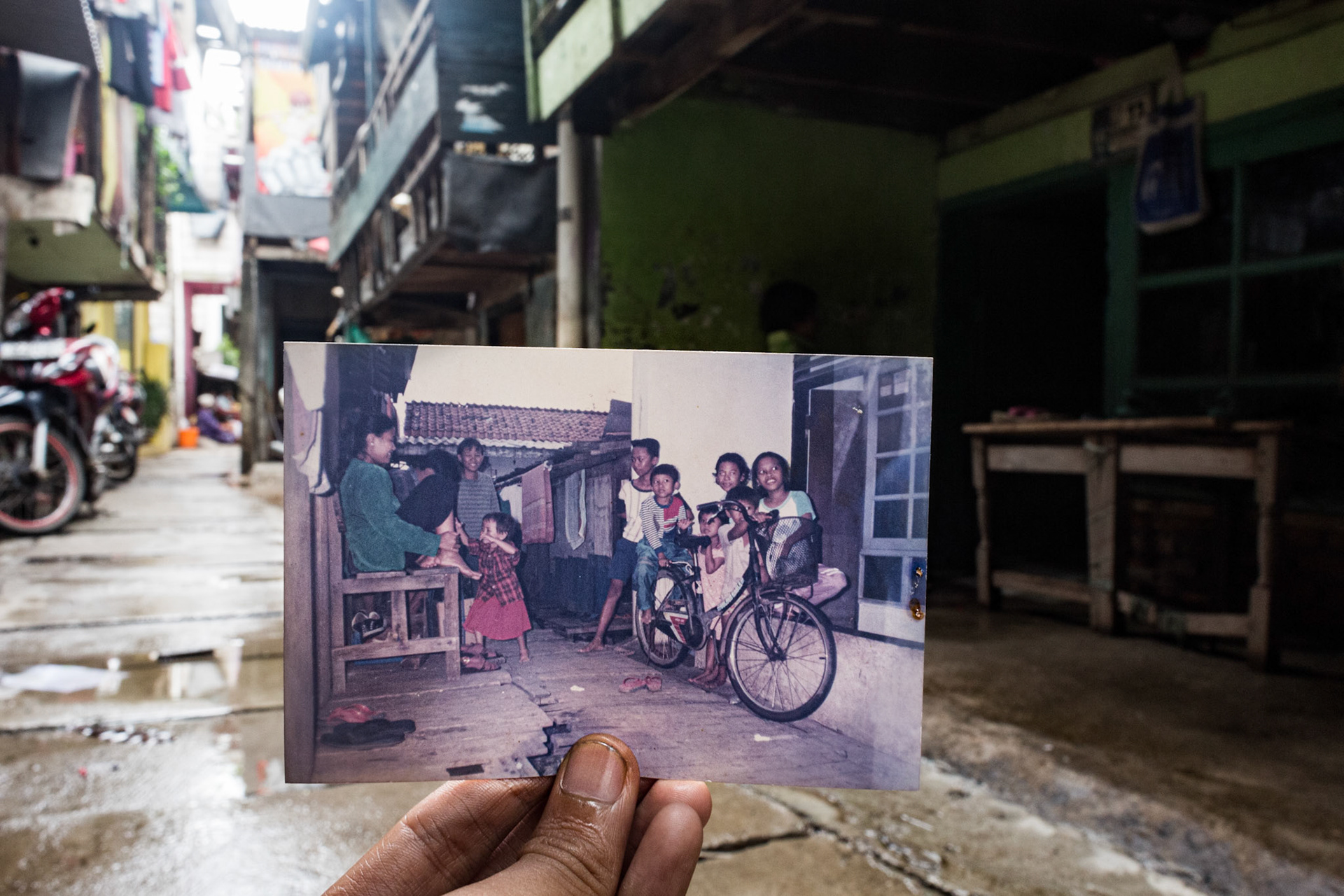
Having a house in the highlands that is free from flooding is just a dream. In the 1990s, factories and warehouses began to rise around Kapuk Teko.
Land that had once been residential, rice paddies, and swamps was filled in to raise it above the village's surface, as were the drainage channels.
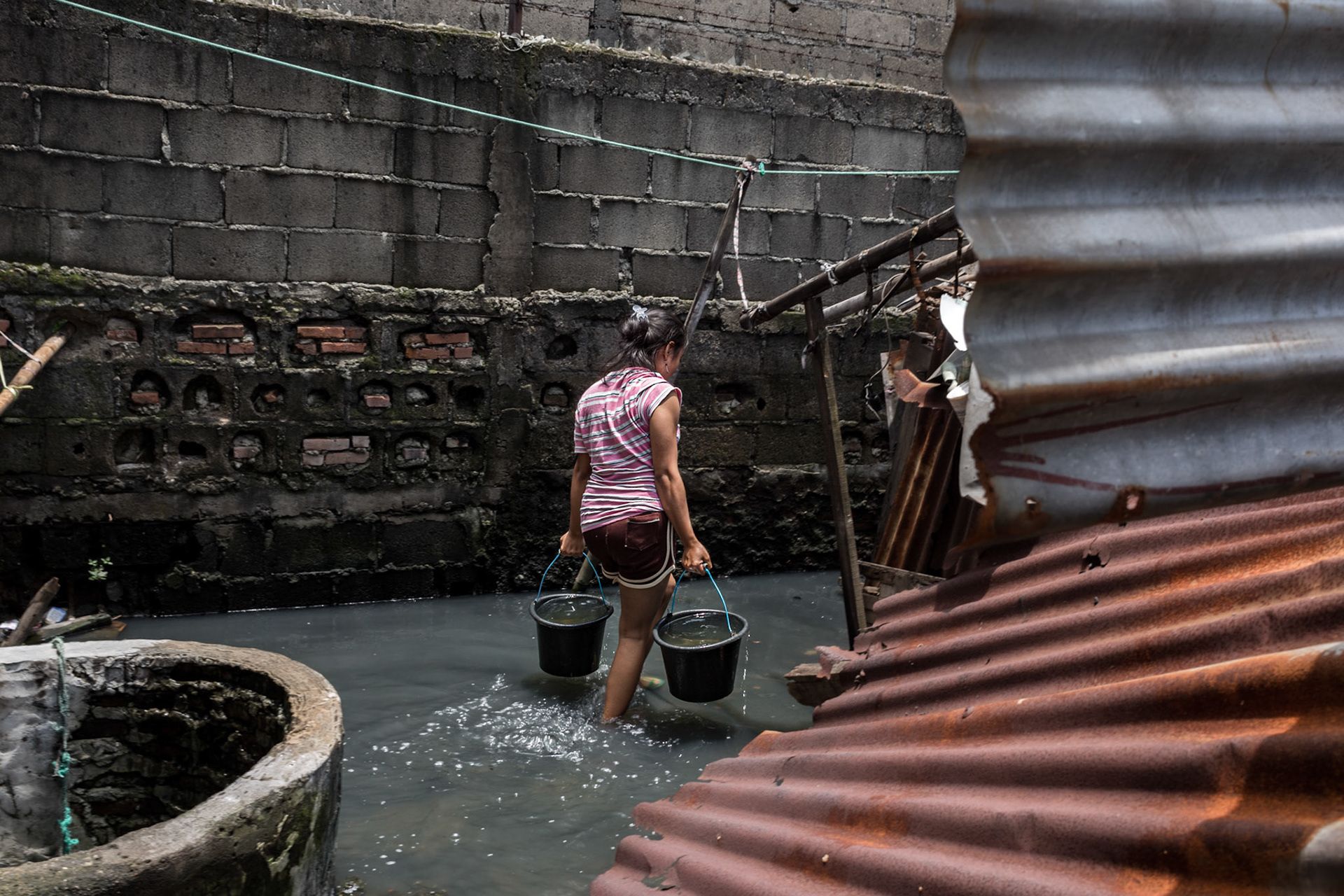
Since then, Kapuk Teko has become nothing more than a water reservoir that also holds industrial waste and garbage. This polluted shallow groundwater, forcing residents to purchase clean water daily for drink, washing food, and cooking.
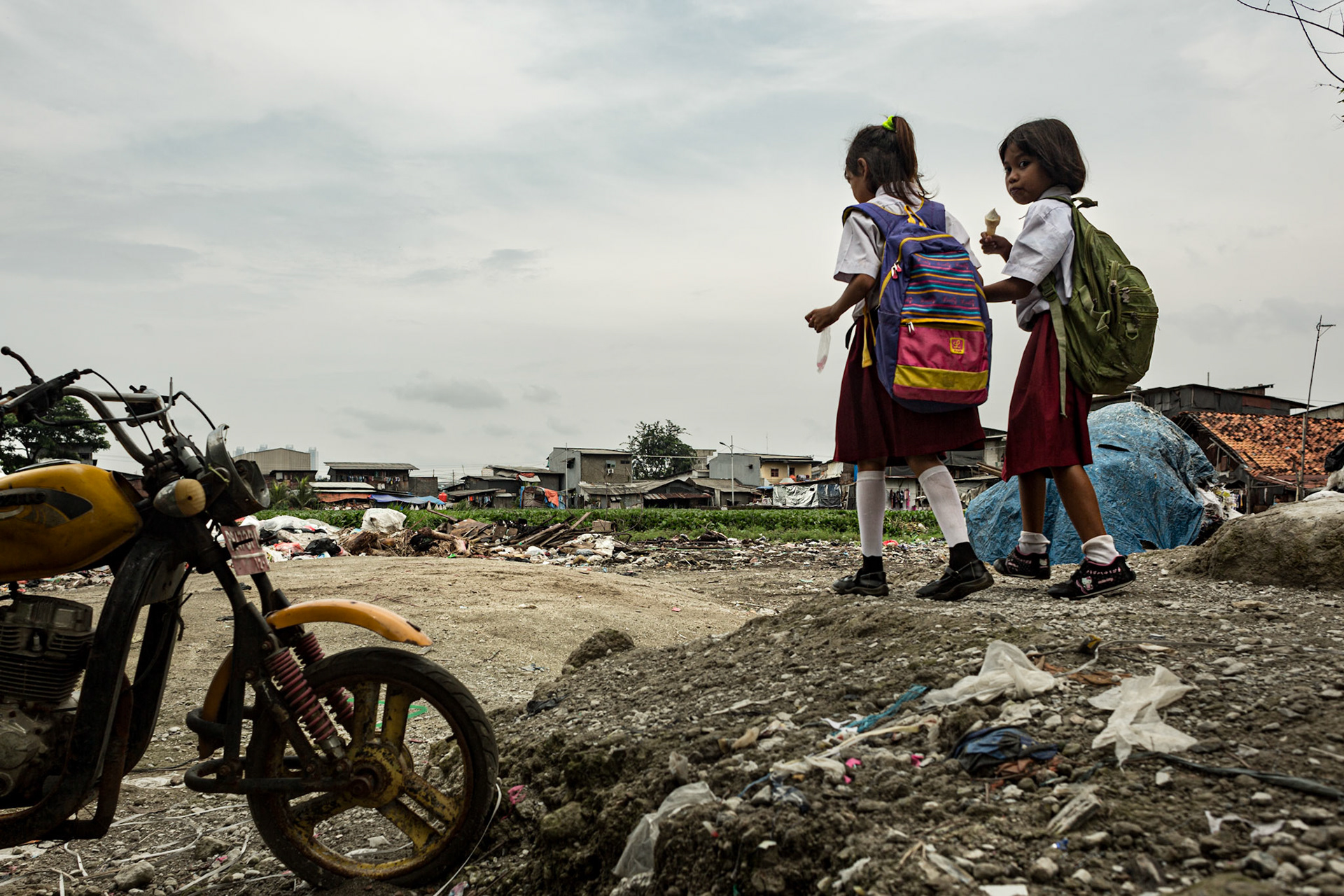
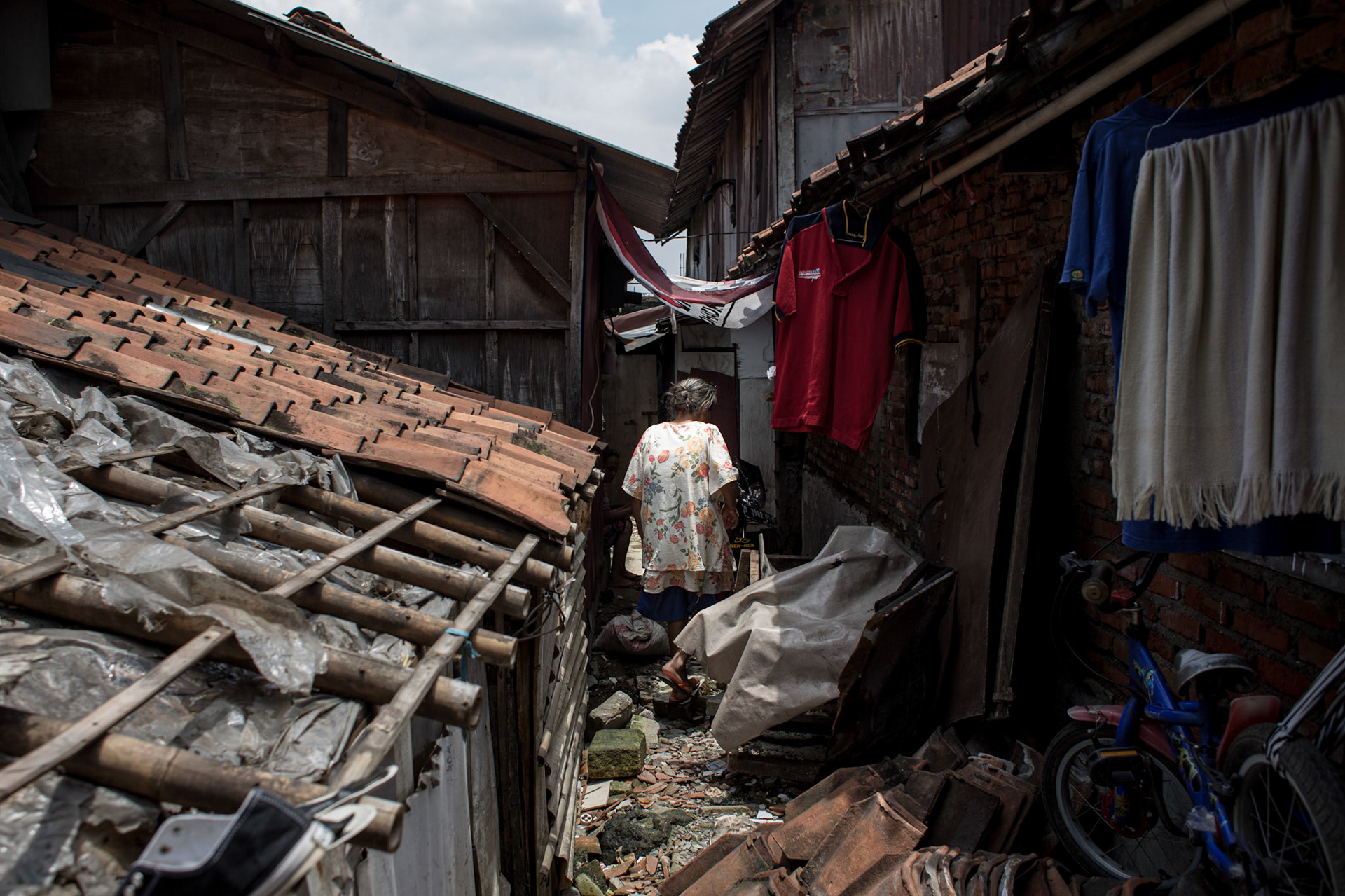
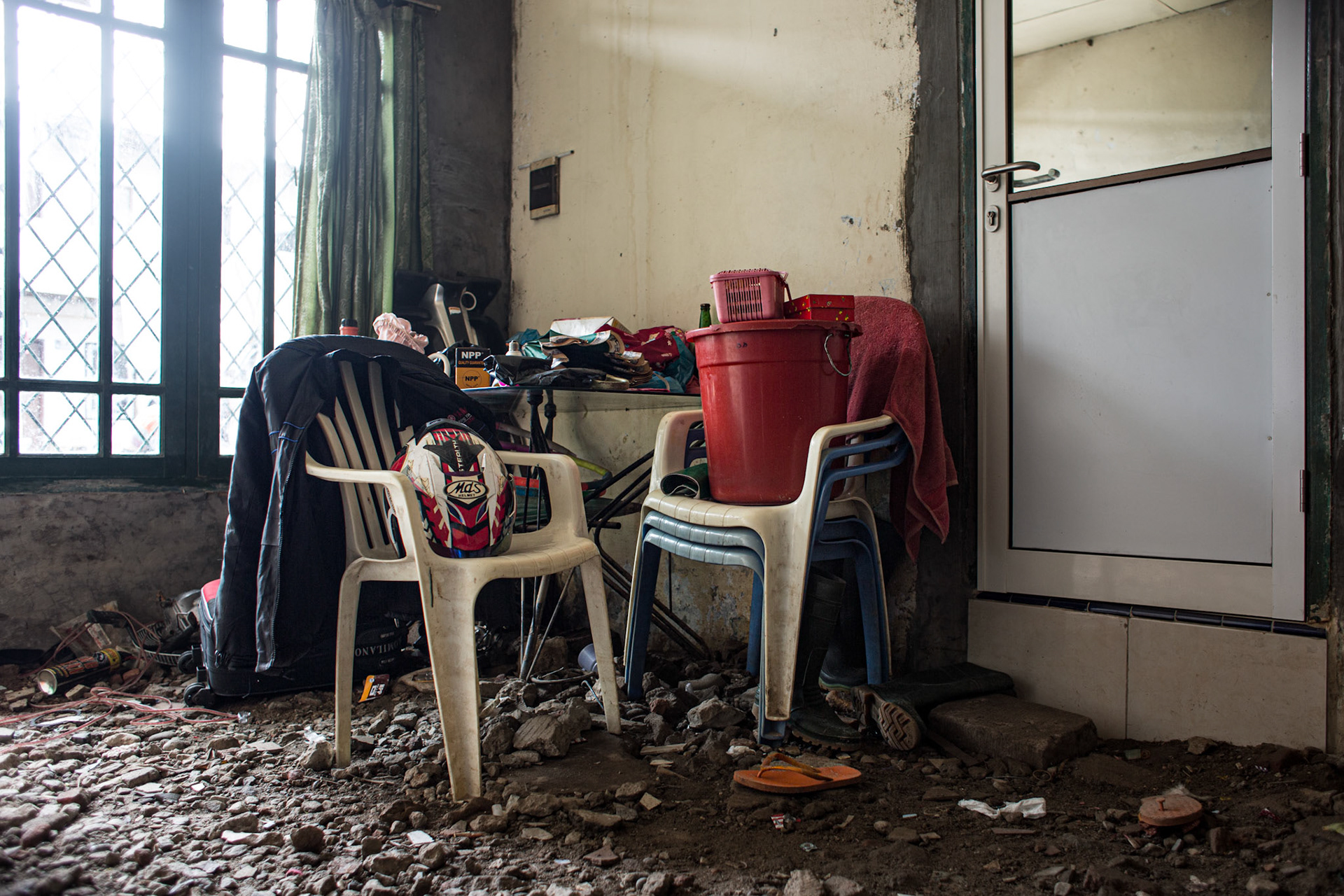
It was recorded that from 1982-1997, land subsidence in Cengkareng reached 160 cm, the results of the Amrta Institute research stated that the cause was excessive groundwater exploitation.
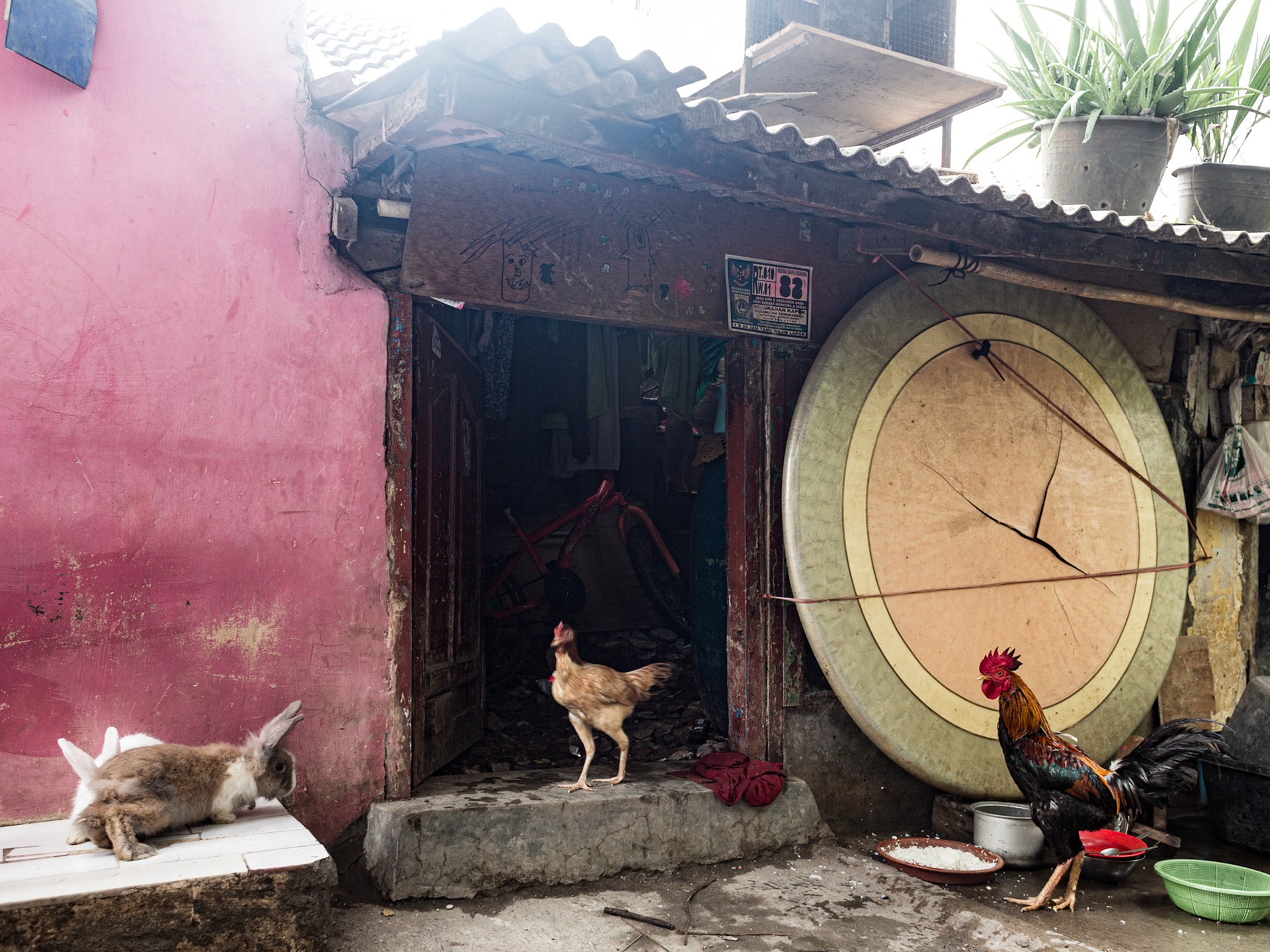
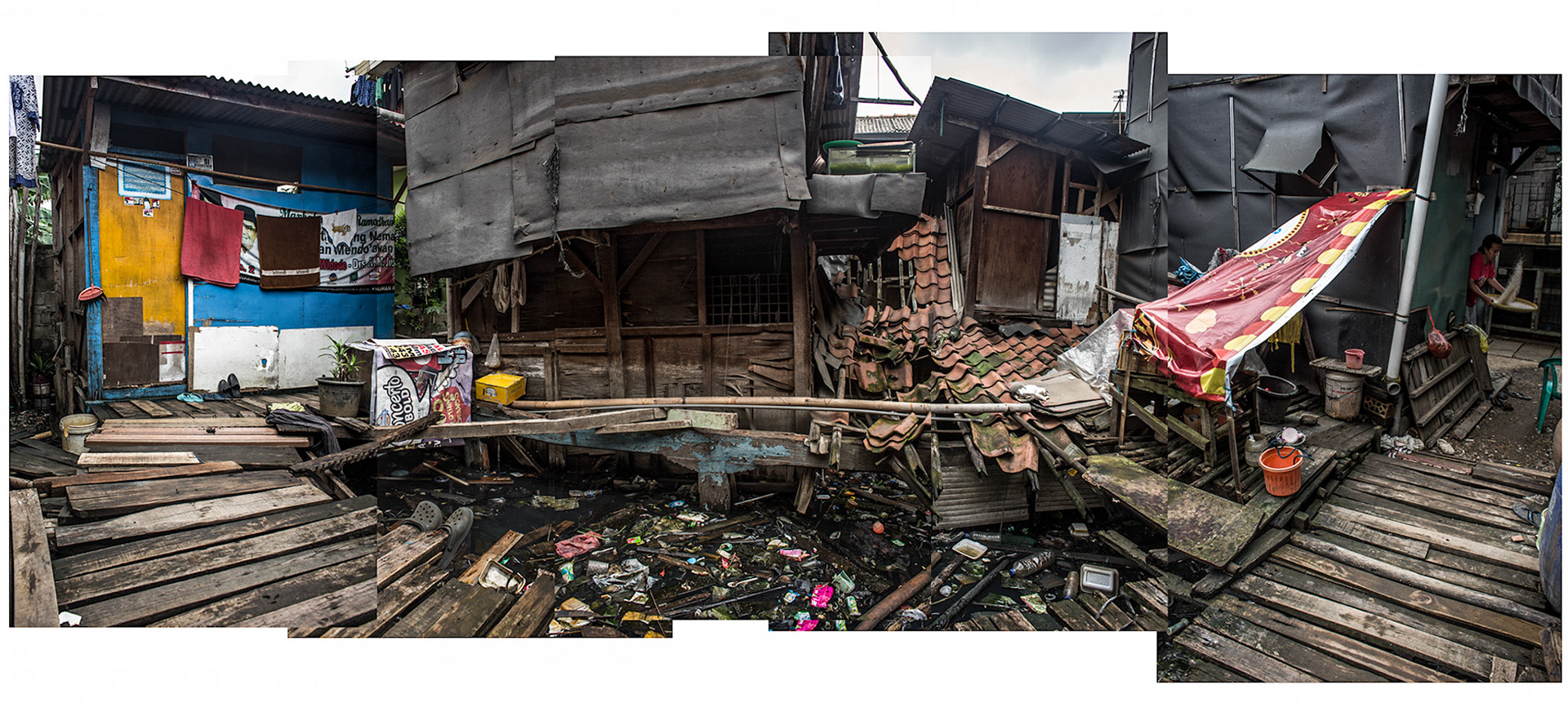
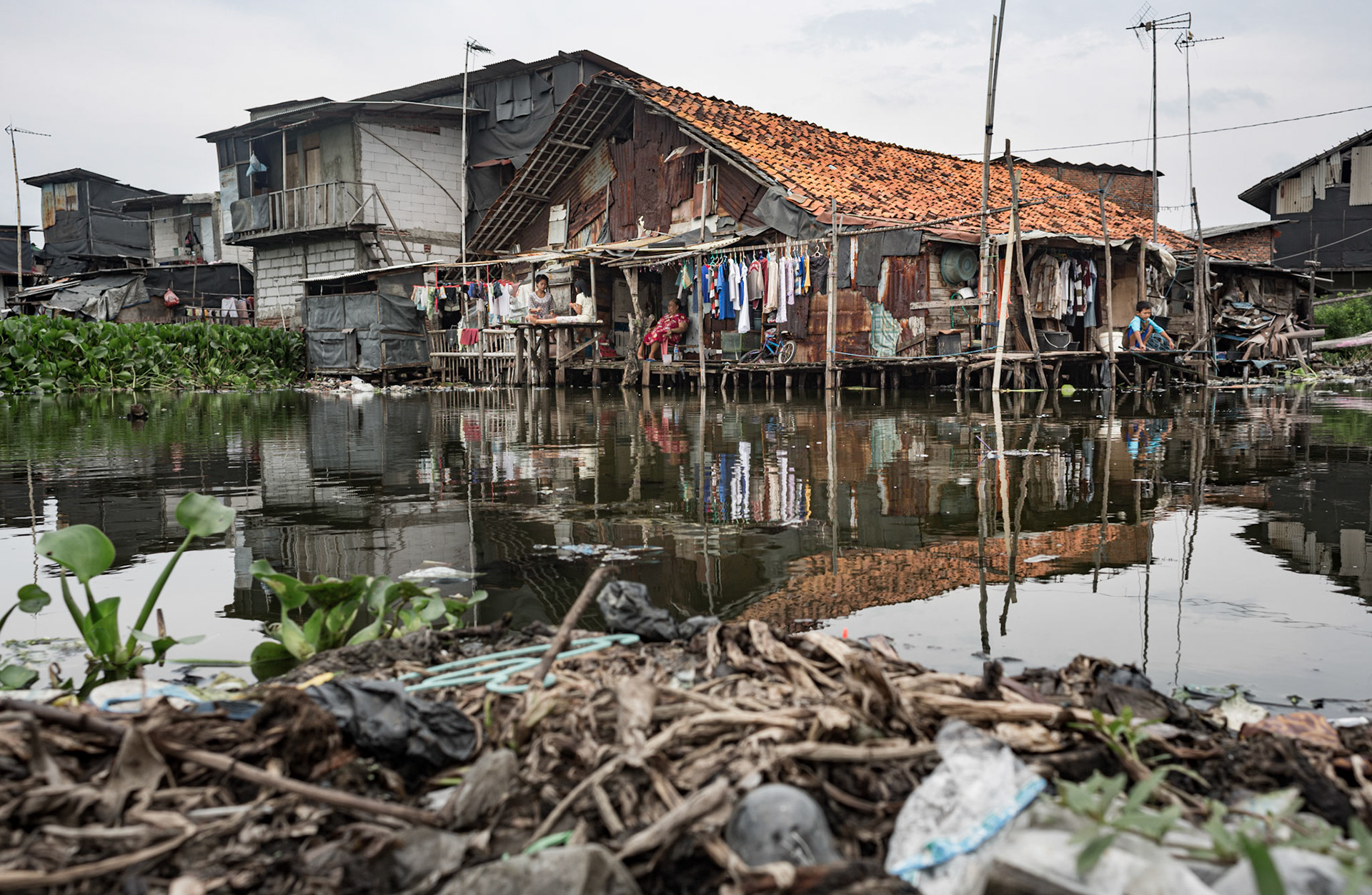
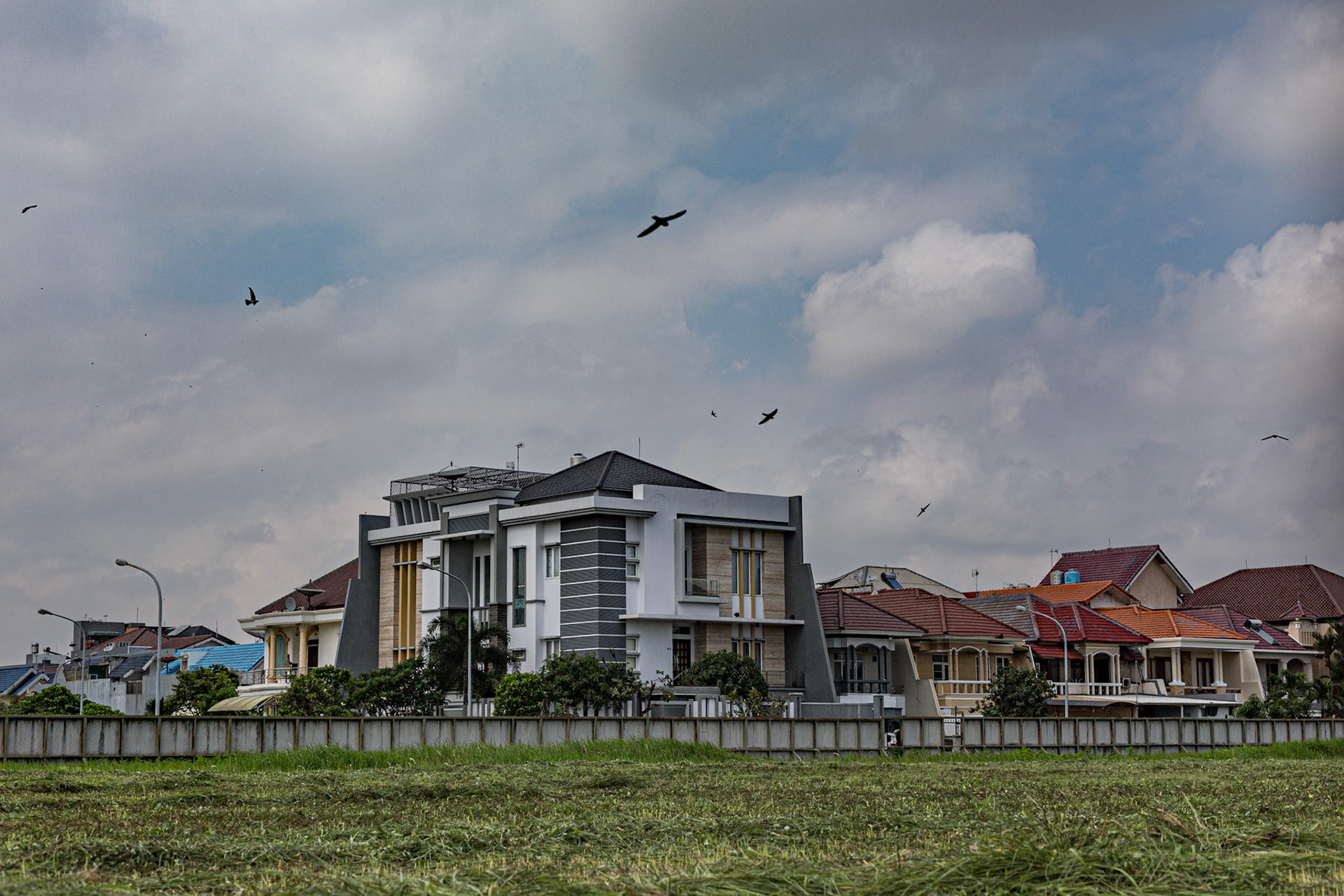
Meanwhile, the exclusive residential area that has dominated the mangrove forest area in Kapuk since the early 90s, proudly offers vertical housing, which of course will increasingly greedily suck up groundwater.
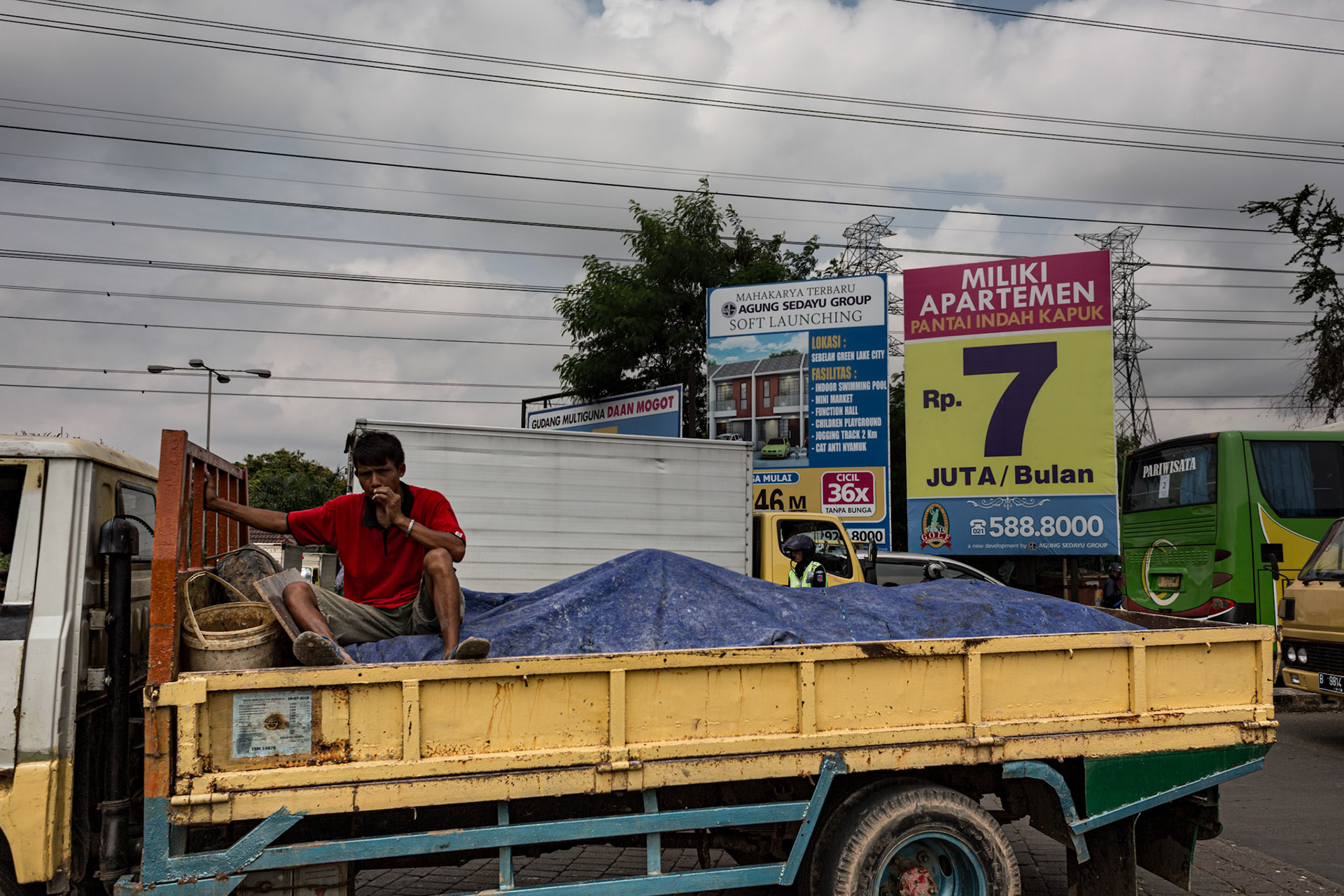
Billions of rupiah have been wasted from the local government. From the construction of pump houses and water channels far from critical locations.
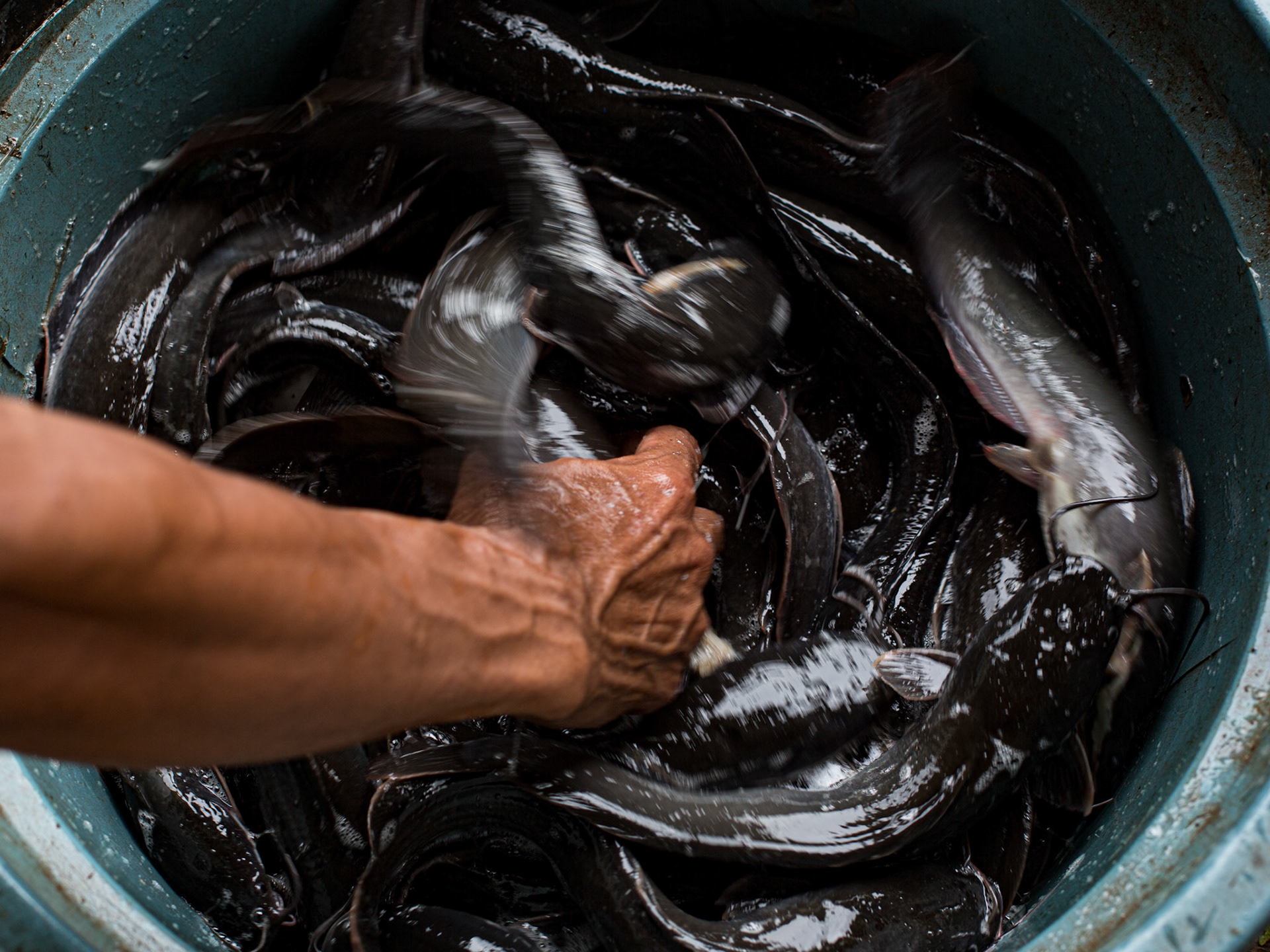
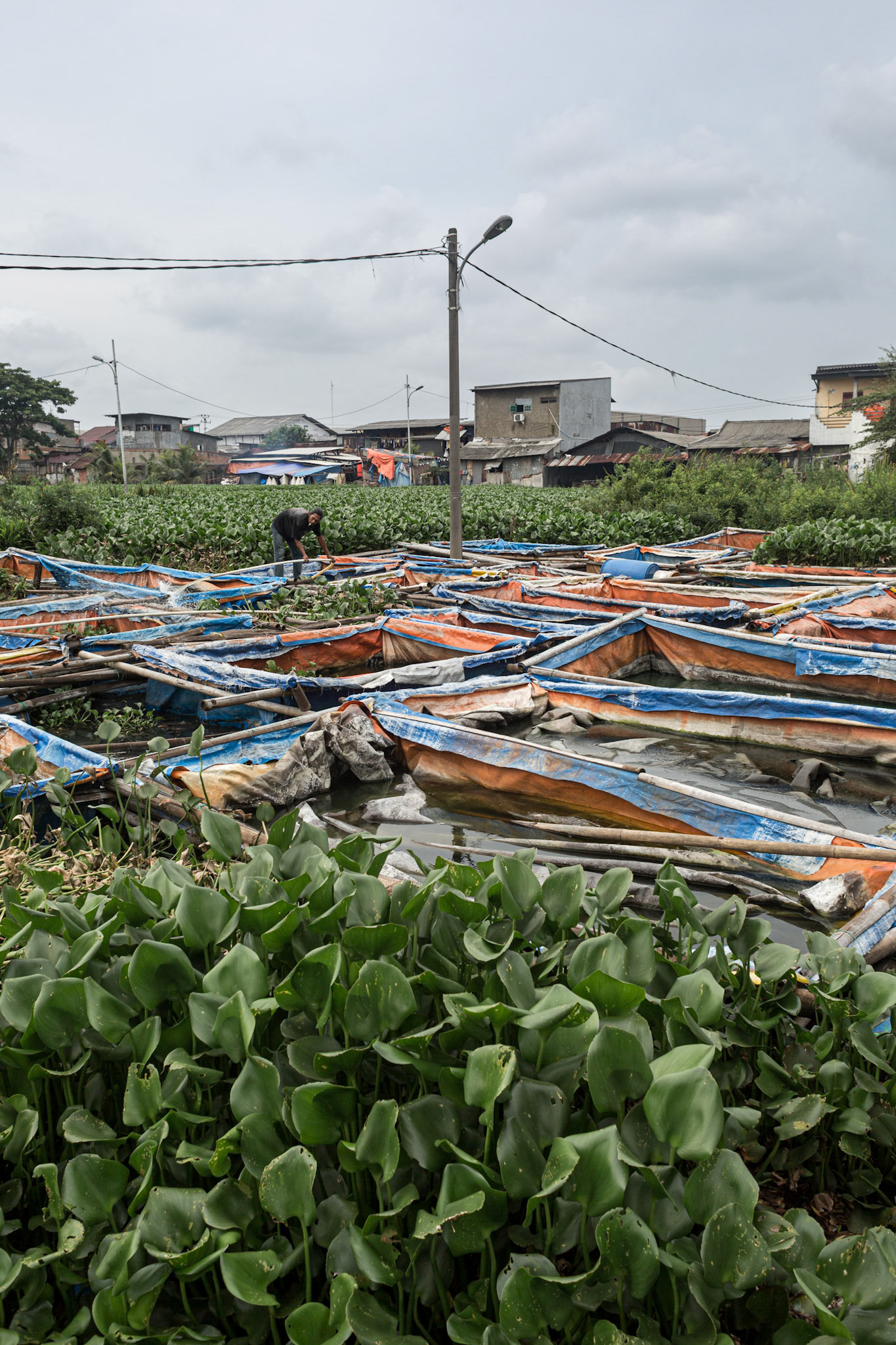
The incomplete desludging and cleaning of the "Floating Village" floodwaters by various parties in May 2014, which instead damaged the catfish ponds that had been a new hope for the residents of Kapuk Teko for several years.
Meanwhile, the relocation of 3,180 graves from the village's front yard to the Tegal Alur Public Cemetery (TPU) was also hampered by the registration of heirs, stalled, and once again covered by millions of water hyacinths.
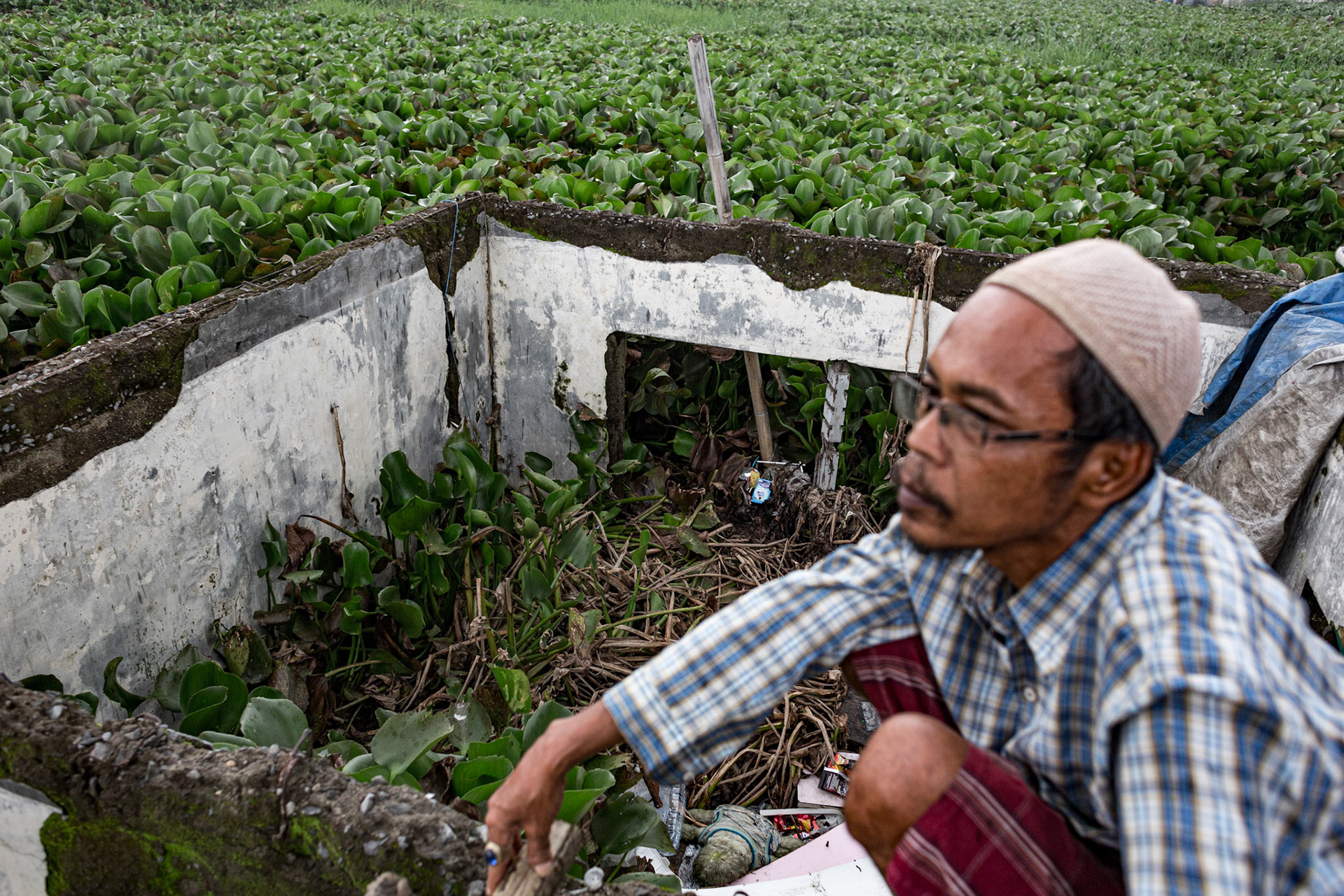
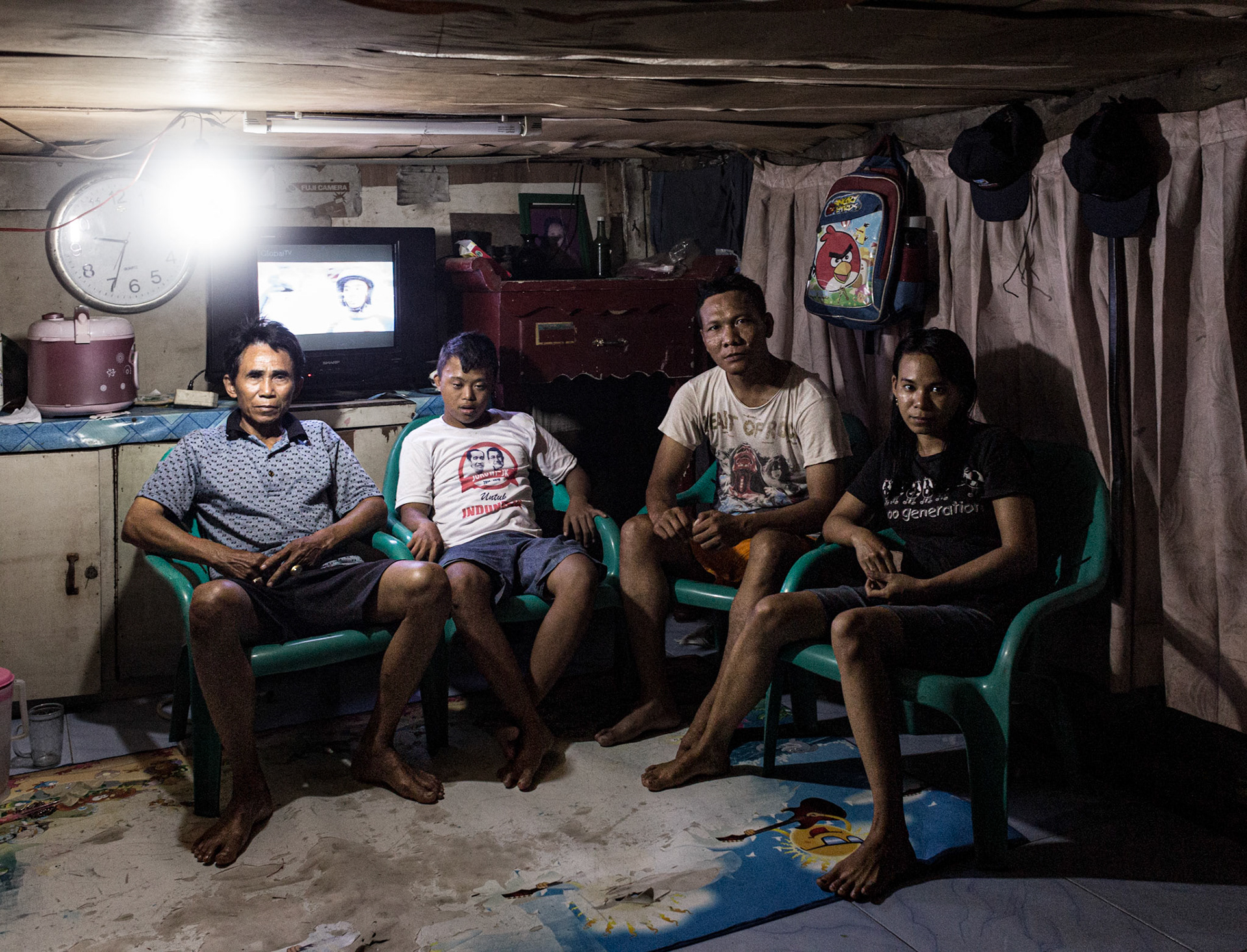
Frustrated with the annual race to raise the land, one of the village elders, Mr. Taeng (67), said,
"Since development in North Jakarta, all the rice fields have been filled in, swamps have been filled in. Imagine if there were still swamps, the water could flow there. Now, if a factory or a warehouse is built in the swamp, what then? The factory doesn't want it to sink, because it has money, it can fill it in. What if people don't have money? What will they use to fill it in? In the future, I want a better (residential condition), but if it's still like this (flooded), what are we going to do? It's just like this."
"If we move, it will be difficult. The environment here is like our own family. Moreover, this is our land, so even if it floods, we don't want to leave," Taeng concluded.